
In October 2025, marking the middle of spring in the Southern Hemisphere, Gearhouse Group, one of South Africa’s leading technical production suppliers, officially emerged from its voluntary Business Rescue Plan. The company successfully settled all its Business Rescue obligations, repaying its creditors in full and resolving a COVID-related debt of R140 million (approximately $7.7 million).
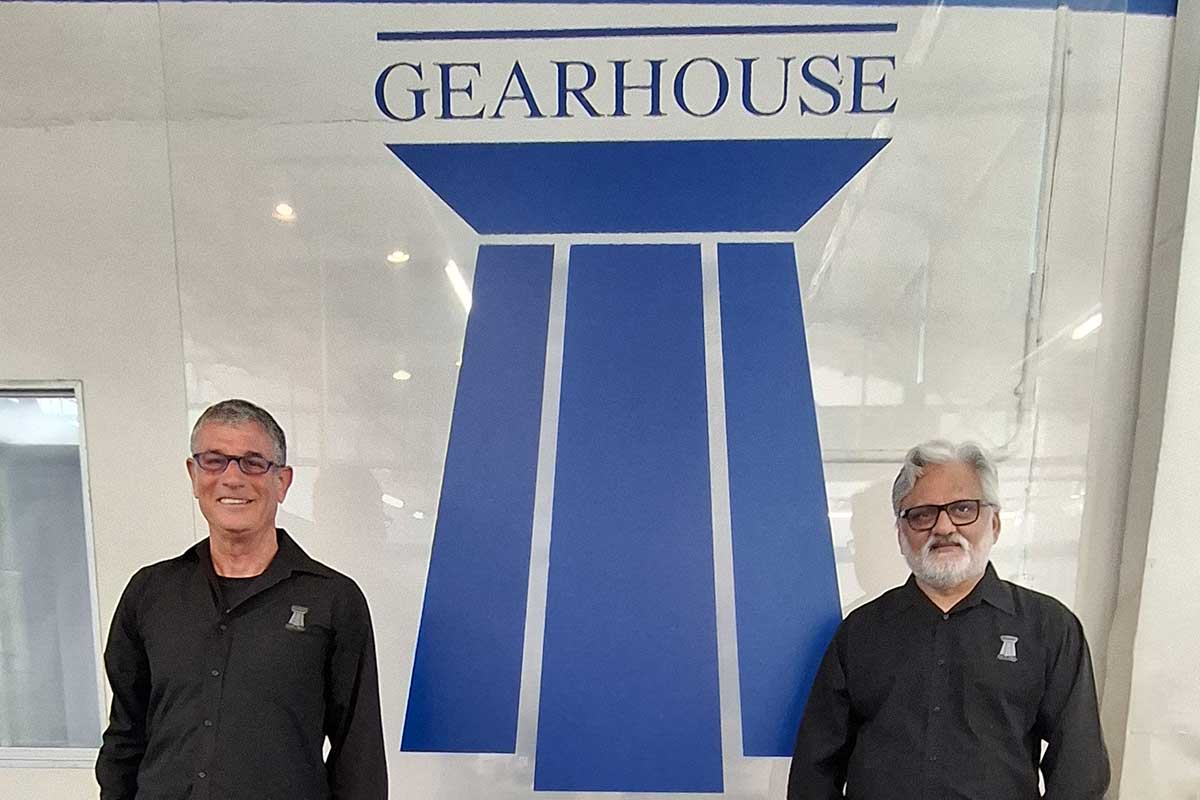
With this milestone marking a significant turnaround for the company, Joint Managing Director Nasser Abbas shared his insights into the process and his ambitions for renewed growth and long-term stability in the post-recovery phase.
What led to Gearhouse Group entering Business Rescue?
Like many businesses worldwide, Gearhouse Group was severely impacted by the COVID-19 pandemic, which of course led to a sudden and prolonged shutdown of all live events. Recognising the gravity of the situation early, we proactively engaged our financial stakeholders, including our bank, the South African Revenue Service (SARS) and major creditors, to prepare for potential financial strain.
In consultation with its auditors, PKF, Gearhouse Group explored the option of Business Rescue – a structured legal process that allows companies to suspend debt obligations and restructure operations in partnership with creditors. Having exhausted all alternative solutions, the company entered voluntaryBusiness Rescue in late April 2020.
What was the company’s strategy to exit Business Rescue?
Throughout the voluntary Business Rescue process, Gearhouse maintained consistent communication with creditors via the appointed Business Rescue Practitioner, while management simultaneously sought potential investors. Although the last major investment proposal fell through in April 2022, a noticeable increase in business activity since February of that year signalled the beginning of recovery.
With lockdown restrictions lifting, management proposed a ‘trade-out’ strategy to repay all creditors over time through operational income. In May 2022, creditors overwhelmingly supported the plan with 99% voting in favour, including both the bank and SARS. This unprecedented consensus reflected the high level of confidence in the company’s ability to recover and trade its way out of debt.
How did Gearhouse employees contribute to the company’s recovery?
Gearhouse employees and senior managers demonstrated extraordinary resilience and commitment. Salaries were reduced to 20% for six months, after which a project-based remuneration system was implemented. Despite the hardship, the core team continued working tirelessly, remaining motivated and fully engaged. Transparent communication ensured that staff were kept informed and supported throughout.
By September 2022, Gearhouse Group had returned to full operational capacity with approximately 260 employees around 60% of its pre-pandemic workforce. Many former employees had emigrated or transitioned to other industries, prompting the company to prioritise debt repayment and operational stability before reinvesting in new equipment. Despite this cautious approach, business rebounded rapidly and 2023 and 2024 became the most successful trading years in Gearhouse’s 34-year history.
Cash flow management throughout the recovery phase required precision and discipline, supported by open communication with stakeholders and the professional guidance of Business Rescue Practitioner, Derek Schickerling. His expertise and confidence in the company’s recovery were instrumental in ensuring a smooth and compliant process.
Gearhouse Group not only met but exceeded its Business Rescue commitments. The company’s technical capabilities, experienced workforce and strong client relationships enabled it to deliver successfully on major projects even during the most constrained periods. The crisis also prompted significant internal improvements streamlining operations, reducing costs and establishing a leaner, more agile business model that has strengthened long-term performance.
Has the company still been able to invest throughout the process?
Emerging from its most challenging chapter, the company has since reinvested R260 million in new equipment over the past three years while fully honouring all creditor obligations.
We’ve made significant investments in equipment across all disciplines, from Elation Proteus, Ayrton Rivale, Robe Tetra, ROXX CLUSTER, and ETC Halcyon lighting fixtures to MA Lighting grandMA3 Full Size consoles in the lighting department, to Green Hippo Boreal Mk2 Hippotizers, AV Stumpfl Pixera media servers, projectors from Panasonic, Christie and Barco and Leyard and Absen Led screens for the video team.
The audio department meanwhile has received new Meyer Sound and L-Acoustics systems, a Turbosound monitor rig, Allen & Heath digital mixers and stage boxes, DigiCo Quantum 338 consoles, Shure and Sennheiser microphones and a range of Clear-Com equipment, not to mention the Layherstage systems, StageCo equipment, Eurotruss trussing, Chainmaster motors, Blackmagic Design gear, and variety of backline that continues to improve our offering.
How does the company’s recovery help the local community?
In January 2023, Gearhouse proudly reopened the Gearhouse Kentse Mpahlwa Academy – one of its most valued contributions to the industry. The Academy continues to provide education and practical training opportunities to young professionals, many of whom support their families through their new careers. Though its impact cannot be measured on a balance sheet, the Academy remains a symbol of Gearhouse’s commitment to empowering future generations and building a sustainable future for the live events industry.
Photos: Gearhouse Group